
Get connected with an engineer
Cannon's engineering group designs, permits and manages communications and power infrastructure, from a single permit package to a statewide fiber build. Combining decades of field experience with current design tools, the group delivers detailed, customer-specific designs for commercial, institutional, federal, state, local and private sector organizations, and a construction-ready package the field can build without a second round of questions.
From feasibility to construction-ready plan sets
Route design and feasibility
Feasibility studies and technical reports, route identification, field verification, project research and analysis, and the cost estimates and bills of material that let an owner decide before mobilizing.
Outside and inside plant design
OSP and ISP design-build for fiber backbone, FTTx, PON and MDU networks, central office and data center layouts, with BICSI certified technicians and staffed RCDDs on the telecommunications side.
Joint use and pole loading
Utility and joint use coordination, joint use pole analysis and make-ready identification, and structural analysis of pole loading for wind, ice and attachment cases.
Utility and traffic control design
Utility routing and conflict review, bore profiles for directional drilling, and traffic control supervisor design and review, with professional engineering review where the jurisdiction requires it.
Permitting
Environmental permits, easements, pole attachment agreements, right of way and jurisdictional approvals, with environmental assessments where a route calls for them.
Documentation
AutoCAD plan sets, GPS as-builts and redlines, test records and closeout packages in the owner's format, kept in Procore through the life of the project.
Measure the corridor once, design from the point cloud
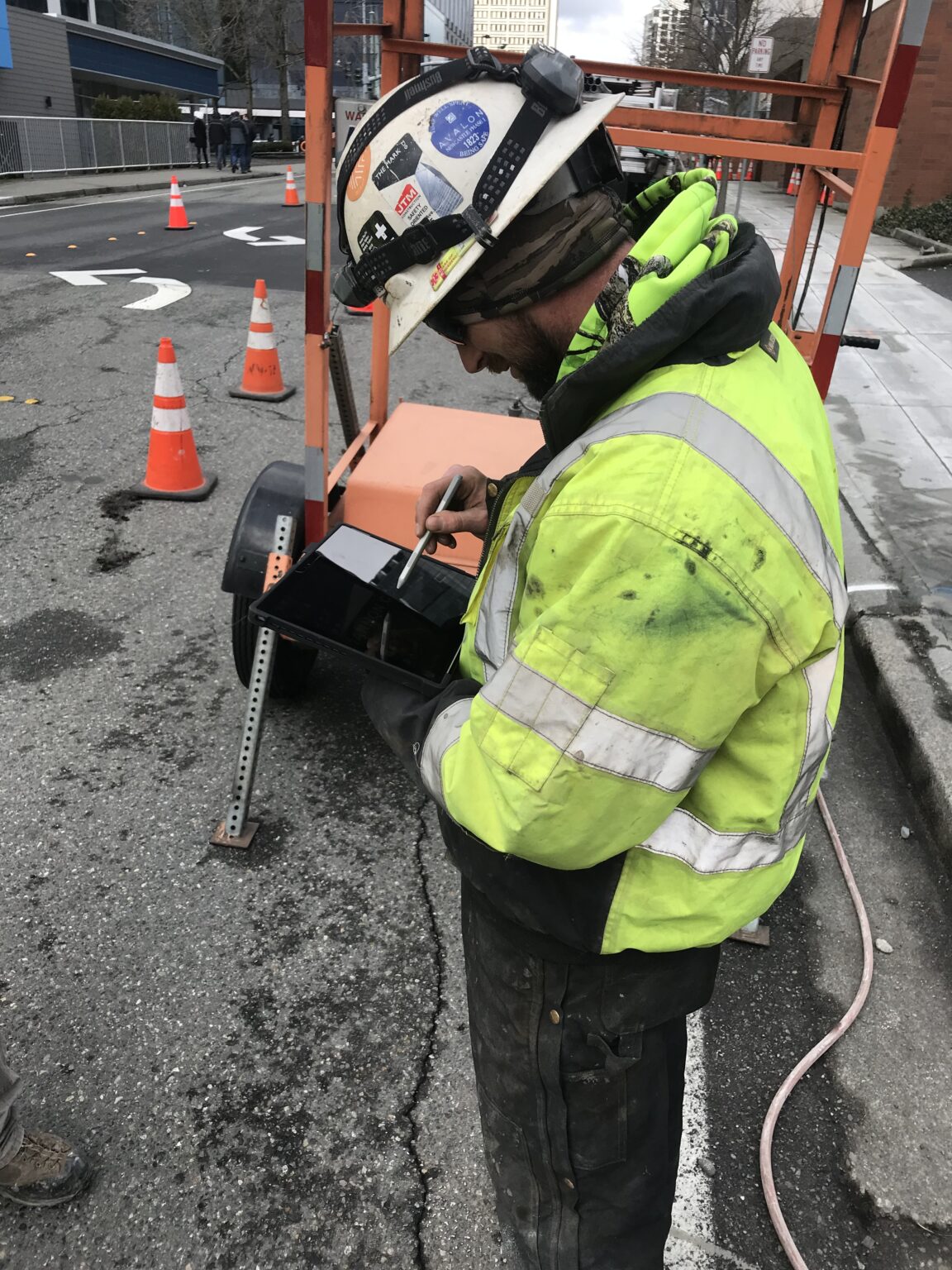
Cannon's survey and LiDAR services capture the route as it exists: pole positions and heights, attachment points, conductor and cable clearances, ground profile, structures, vegetation and the existing utilities a new line has to thread. Site surveying, GPS data collection and LiDAR scanning feed directly into the pole loading, make-ready and route design work in the same office, so the design is built from measured conditions rather than from record drawings.
Deliverables include georeferenced point clouds, clearance and sag analysis against the owner's standard, make-ready identification per pole, planimetric and profile drawings, and the GPS as-builts that close the route out after construction. The same data supports transmission and distribution rebuild design, aerial fiber attachments and bore planning.
Turn-key services from planning through permits
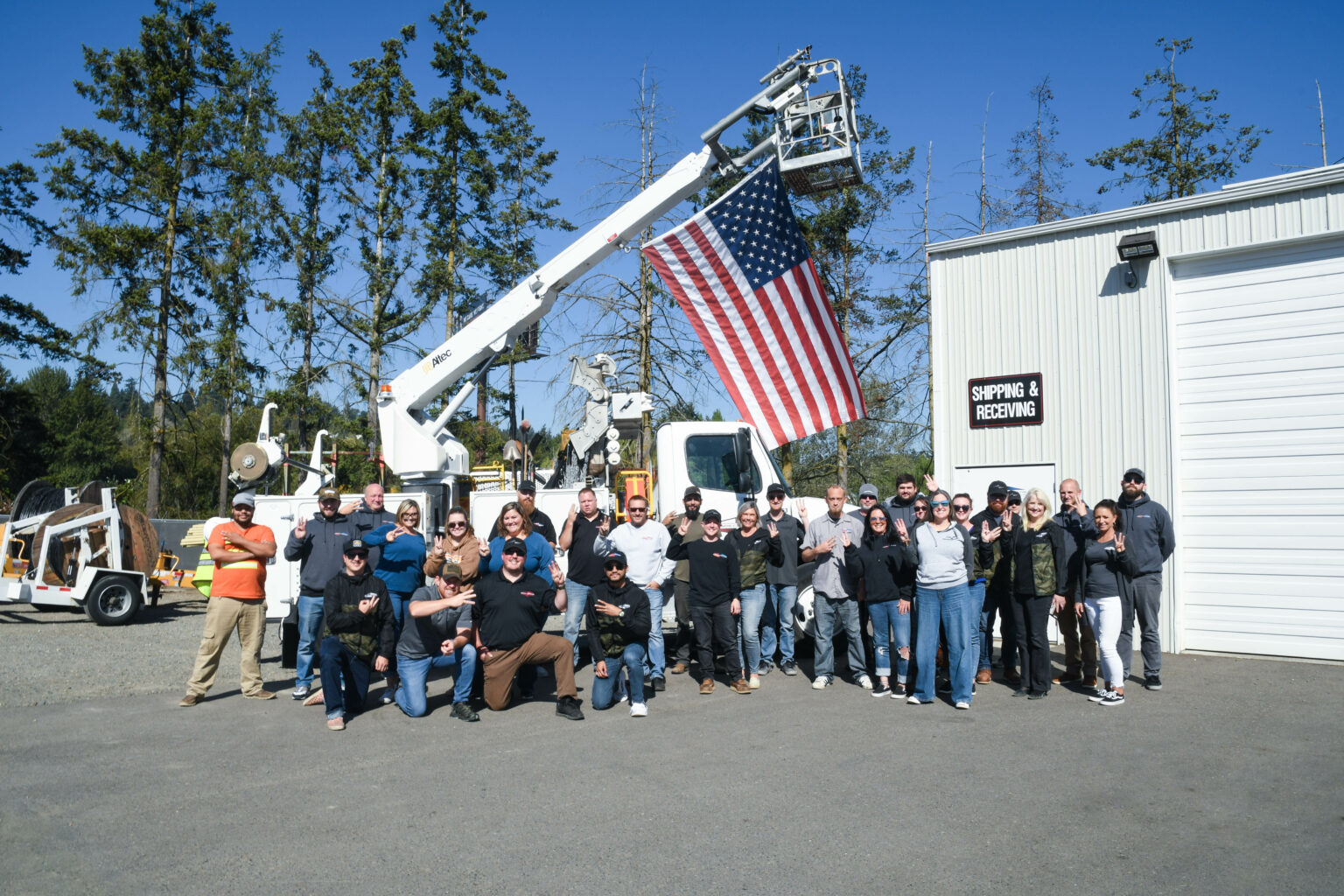
Cannon provides network planning, engineering, pre-construction and permitting services for telecommunications, right of way and site construction. The group manages design and engineering, manages third-party engineering on an owner's behalf, runs project feasibility studies and technical reports, and coordinates utilities and joint use so that construction starts with the approvals in hand.
Because the same organization builds what it designs, constructability review happens before the plan set leaves the office: field conditions and the owner's construction standards are checked against the design so conflicts surface on paper. The quality page describes the review, inspection and turnover process.
Designs that went to construction
Comcast, Washington
165+ miles engineered under the master service agreement since 2017, with 3,520+ homes passed to date.
Department of Defense, Alaska
40+ miles of new fiber backbone engineered, permitted and built through CACI across Fort Greely, Fort Wainwright and JBER.
Yurok Telecommunications
Power, engineering design and project management on the Yurok Reservation, three tower sites across an 8+ mile route.
Air Force base-wide surveys
Telecommunications infrastructure surveys at Mountain Home, Eglin and Edwards Air Force Bases: conduit rodded and proofed, manholes inventoried, buildings surveyed and structures GPS located ahead of the upgrades that followed.
Joint Base Pearl Harbor-Hickam
Base-wide site survey and design of the existing infrastructure, followed by the inside and outside plant upgrade Cannon built.
Puyallup School District
1,050 existing poles surveyed across 30 miles of route to plan the district's future network infrastructure.
Need a design, a permit package or a point cloud?
Send the corridor or the concept. Cannon's engineers will come back with a scope, a schedule and a plan the field can build.