
Hundreds of miles of backbone, across state lines
Cannon builds the backbone routes that connect cities, states and rural communities: long haul and middle mile fiber placed by plow, bore and trench with an owned plow and drill fleet, from the route design and permits through the vaults, the splice and the OTDR trace.
We know long haul
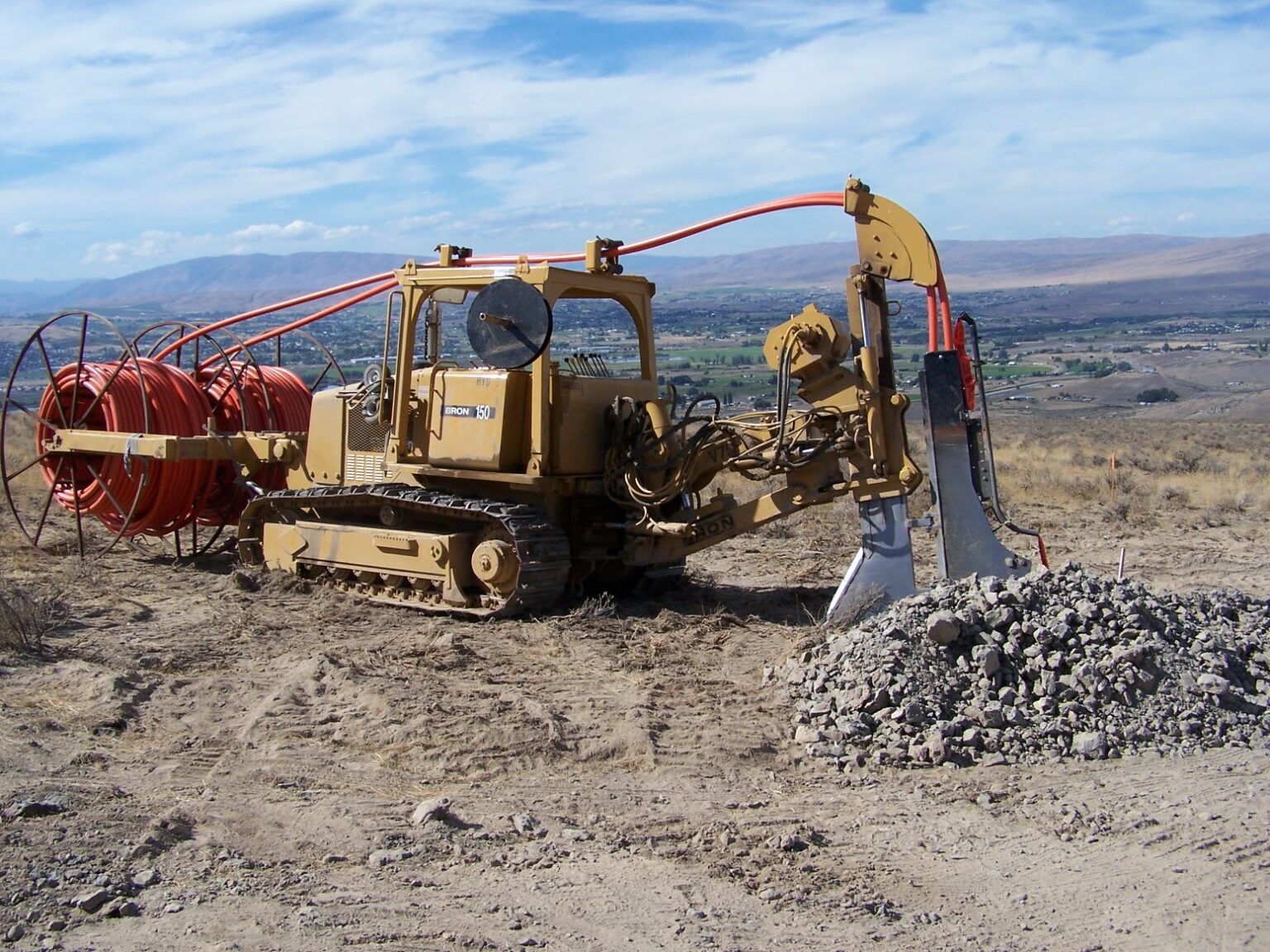
Cable plowing has been a critical part of the telecommunications industry for decades, providing a safe and efficient method for burying cable. Cannon has built a legacy of expertise in plowing, staying at the forefront of the equipment and techniques, and has earned a reputation as one of the top providers of long haul plowing in the industry.
Long haul projects span multiple jurisdictions and state lines. Cannon's crews have a proven record on routes covering hundreds of miles, with Bron 175, Bron 250 and Ditch Witch Quad Track RT125 plows, directional drills for the crossings and CAT excavators with rock hammers for vault and duct bank placement.
End-to-end support from design to splice
Design and permitting
Route design, feasibility, field verification, environmental permits, easements and jurisdictional approvals through the engineering group.
Plowing
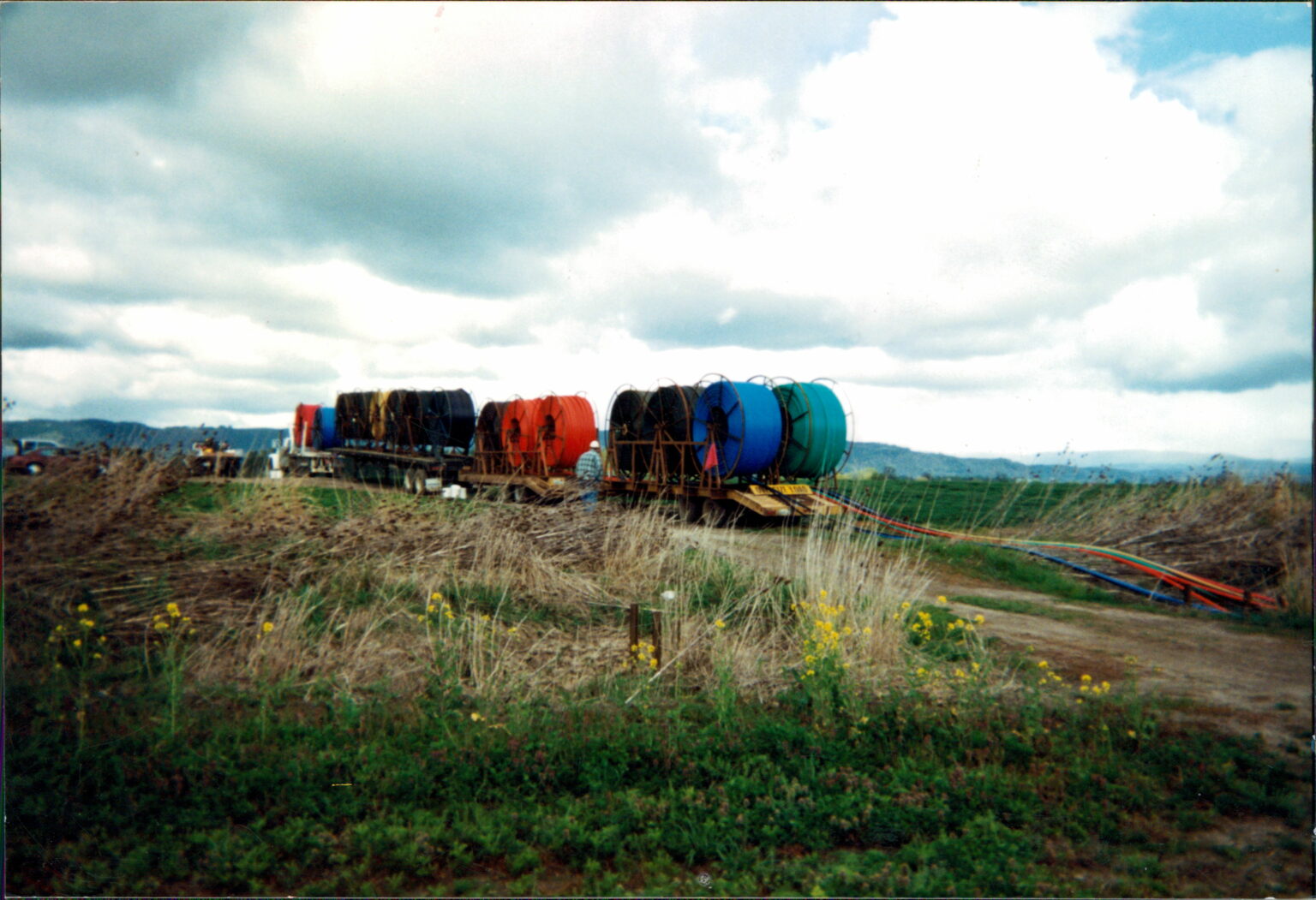
Vibratory plowing of conduit and armored fiber in single and multiple duct configurations, with tracer wire and warning tape to the owner's standard.
Boring and trenching
Directional drilling for road, rail, river and rock crossings, and open trenching where the ground or the jurisdiction calls for it.
Vaults, splice and test
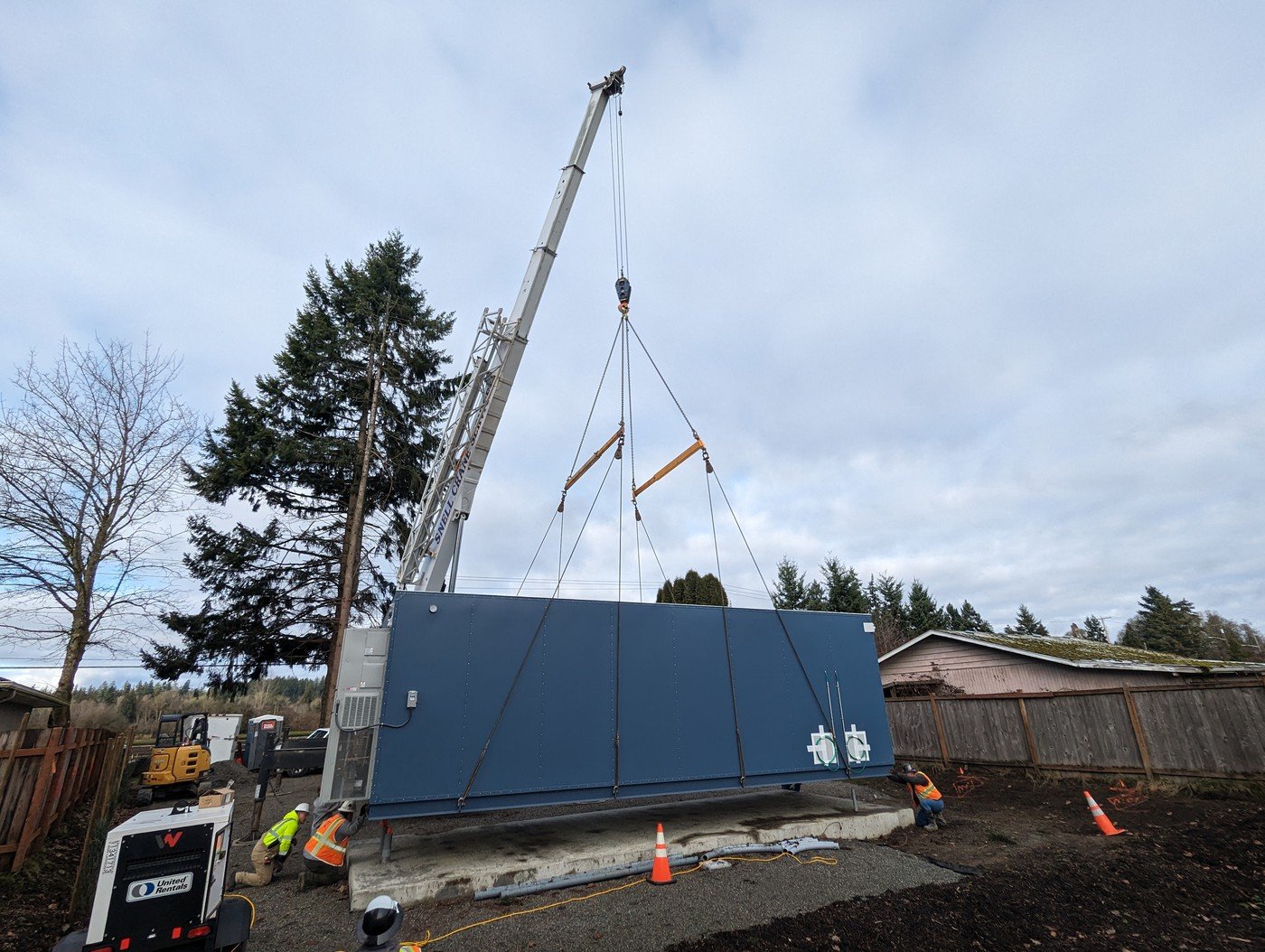
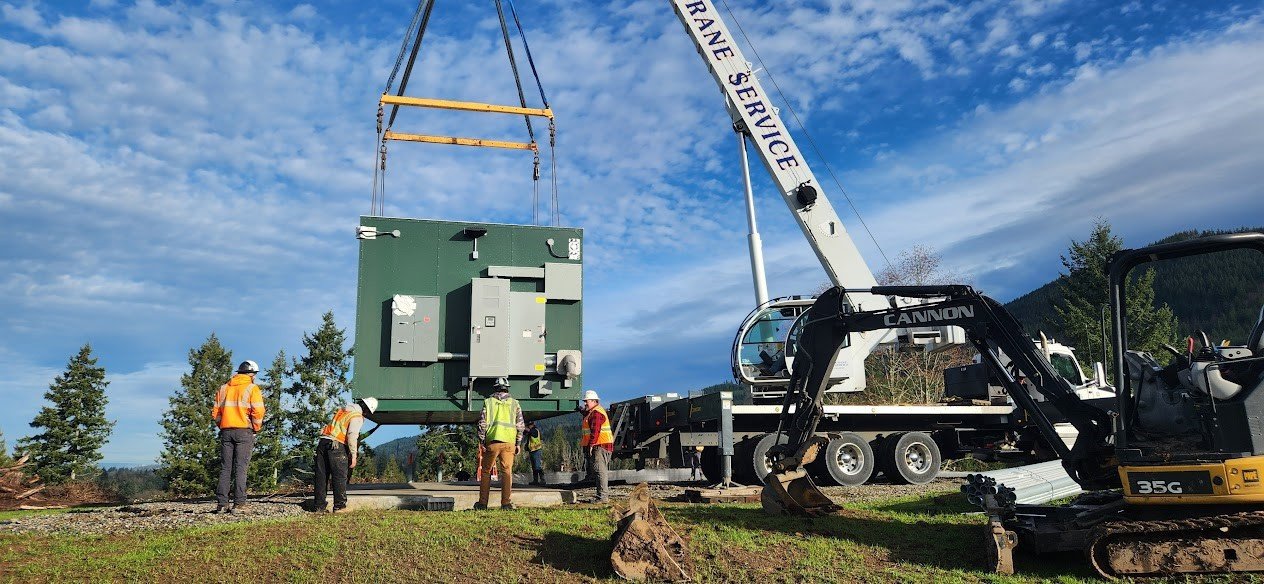
Handhole and vault placement, cable placement by pull and blow, loose tube and ribbon splicing, OTDR testing and as-builts in the carrier's format.
Backbone work Cannon has delivered
Intermountain Infrastructure Group
Quincy to Spokane, Washington: 195 miles of long haul route, 1,032,035 feet bored and plowed and 825 vaults set.
Colville Confederated Tribes
Fiber to the home through NoaNet across the reservation: 170+ miles, 2,200+ homes and 2,000+ pole attachments.
Department of Defense, Alaska
40+ miles of new fiber backbone engineered, permitted and built through CACI across Fort Greely, Fort Wainwright and JBER: 200,000 feet plowed, 19,000 feet drilled, 4,000 feet trenched, 250,000 feet of fiber deployed and 1,800 strands spliced and tested.
Trenching for efficient cable installation
Where plowing is not the answer, open trenching provides a cost-effective and efficient alternative for fiber, copper and conduit installation, including rock trenching and rock sawing through hard formations. The trench, bedding, backfill and restoration are planned with the route, and the safety program treats excavation and traffic control as planned hazards with a job briefing before each task.
Planning a backbone route?
Send the KMZ and the fiber count. Cannon will come back with the method by segment, the permits the route needs and a schedule by segment.